All photographs / images are provided for guidance purposes only.
Amália Rodrigues
Fado
Biography
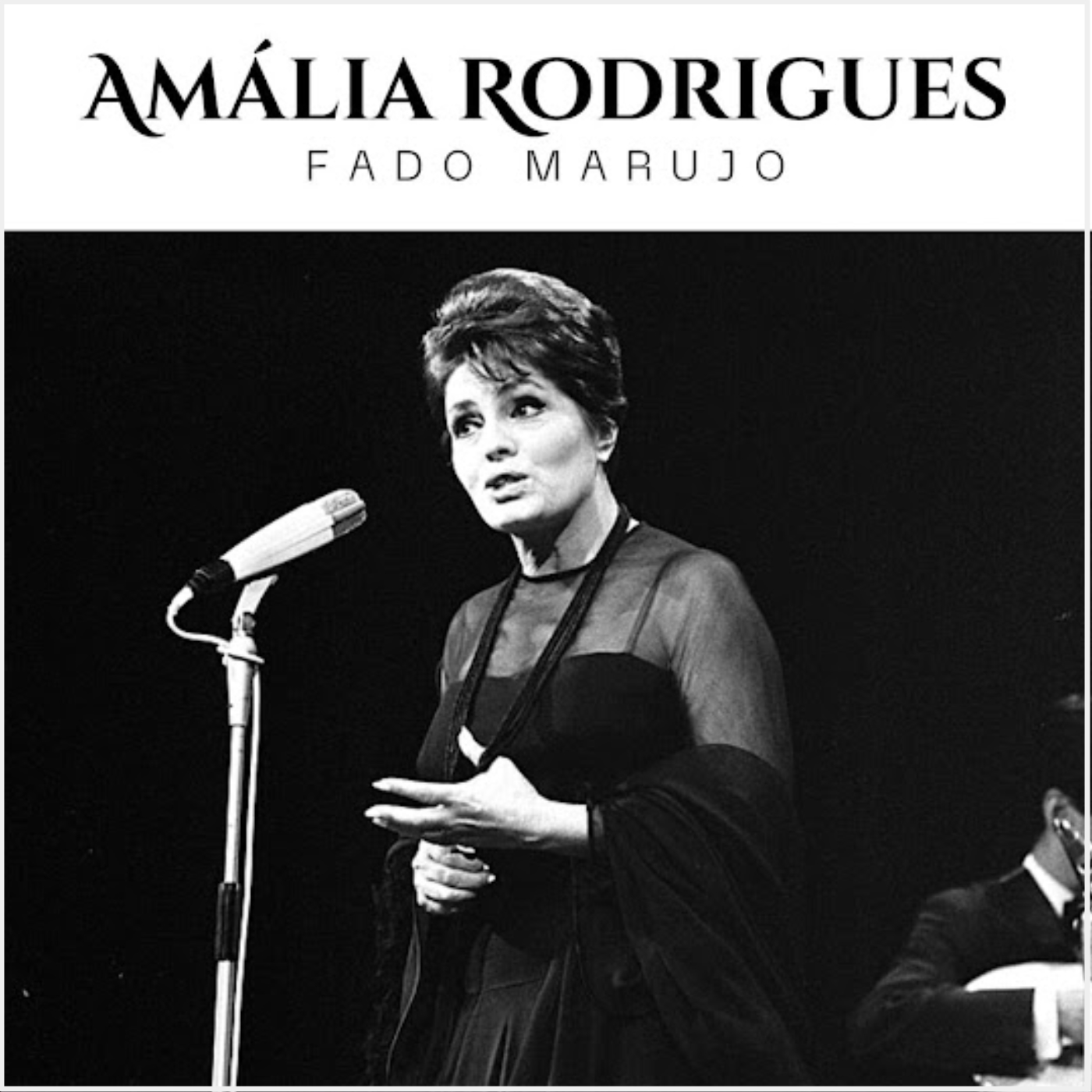
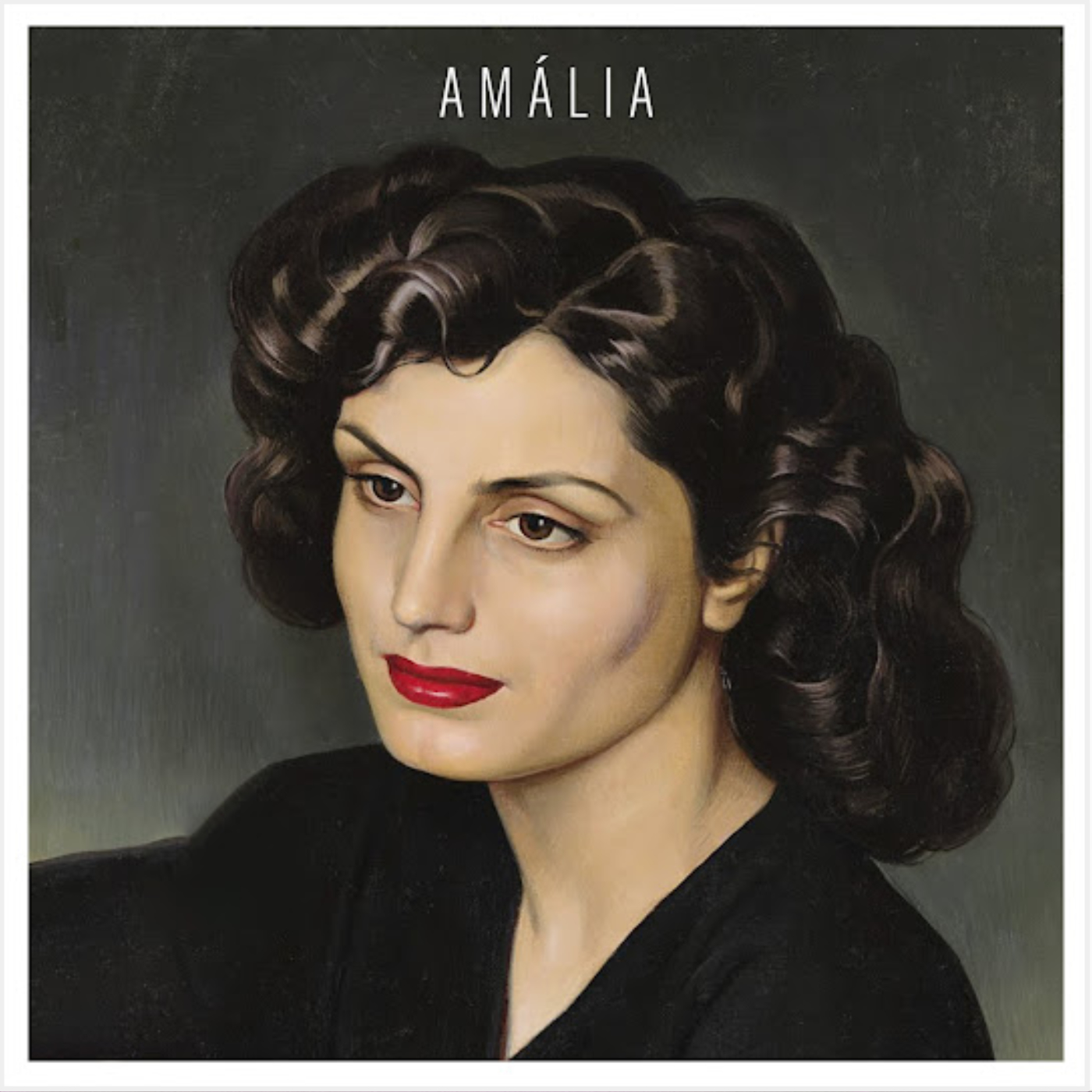
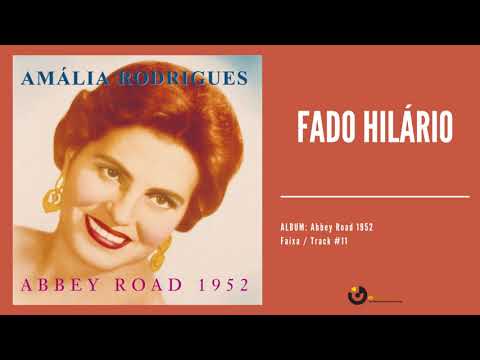
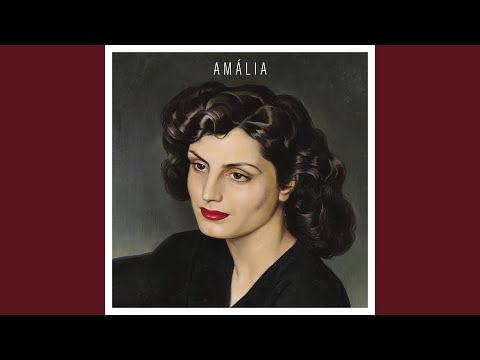
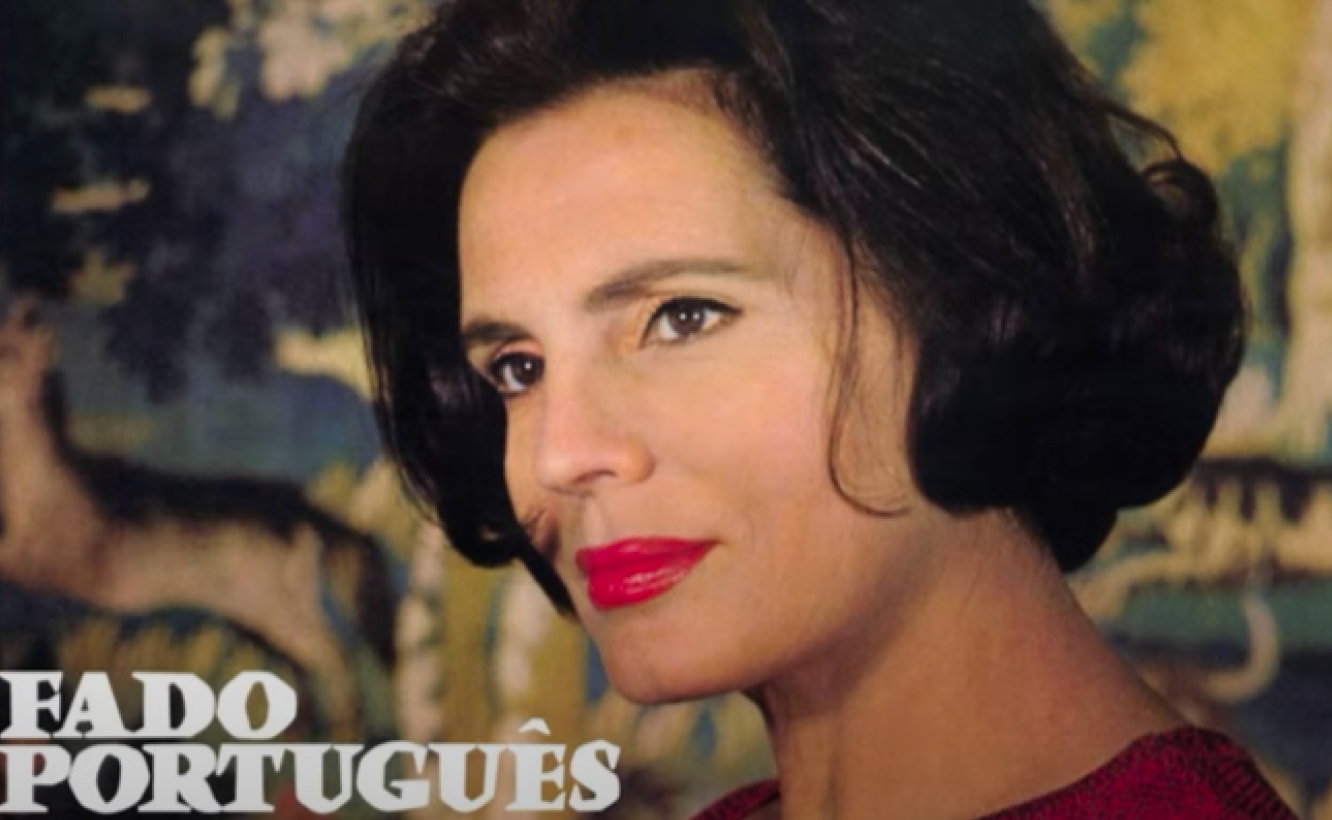
biography Amália Rodrigues was a Portuguese singer, actress and fado singer, considered the voice of Portugal and one of the most brilliant singers of the 20th century. She was born in Lisbon, on July 23, 1920, and died in the same city, on October 6, 1999. She is buried in the National Pantheon, among other illustrious Portuguese figures. parents returned to Beira Baixa. Having had various occupations at a very young age - from embroidery to counter waitress -, she sang for the first time in public in 1935, at a charity party, accompanied by an uncle. As an amateur fado singer, she even used the name Amália Rebordão, a nickname she took from one of her brothers, at the time a relatively well-known boxer. As a professional, she made her debut in 1939 at Retiro da Severa. The following year she performed in Madrid, beginning a national and international career never equaled by any other Portuguese artist. Still in 1940, she made her debut as an actress on the stage of the Teatro Maria Vitória, as a guest attraction, in the magazine Ora Vai Tu!, followed, in the following years, by many other participations in revue plays (Espera de Toiros, Essa é que é Essa, Boa Nova, among others), operettas (Rosa Cantadeira, A Senhora da Atalaia and Mouraria, for example) and theater recited (A Severa, 1955). She became known worldwide as the Queen of Fado and, consequently, due to the symbolism that this musical genre has in Portuguese culture, she was considered by many as one of its best ambassadors in the world. She appeared on several television programs around the world, where she not only sang fados and other songs of Portuguese popular tradition, but also contemporary songs (starting the so-called fado-canção) and even some music of foreign origin (French, American, Spanish, Italian, Mexican and Brazilian). His remarkable contribution to the history of Fado was the novelty he introduced of singing poems by great renowned Portuguese authors, after they were set to music, such as the lyrics of Luís de Camões or the cantigas and trovas of D. Dinis. He also had at the service of his voice the pen of some of the greatest poets and lyricists of his contemporaries, such as David Mourão Ferreira, Pedro Homem de Mello, José Carlos Ary dos Santos, Alexandre O’Neill or Manuel Alegre.Amália Rodrigues spoke and sang in Castilian, Galician, French, Italian and English.In 1943 she began her international career acting at the Teatro Real de Madrid.Between 1944 and 1945 she ran for eight months at the Casino Copacabana.Her film debut took place in 1947 with the film Capas Negras, which was a worldwide success and which It ran for more than a year, being the biggest hit in Portuguese cinema to date. The song “Coimbra” reached second position on the Music Chart Popularity - the chart of musical hits that preceded the Billboard Hot 100 -, from the American magazine Billboard in 1952. In May 1954 Amália was on the cover of the same magazine as the album Amália in Fado & Flamenco reached the first position among the best sellers in the United States. That same year she performed on Radio City Music Hall in New York for four months. Some of Amália Rodrigues' most famous songs are: Nem à Paredes Confesso: a fado-song composed by Artur Ribeiro, Ferrer Trindade and Max, which was recorded by Amália in 1955 and which became one of her biggest hits. The lyrics speak of a secret love that the singer does not reveal to anyone. Uma Casa Portuguesa: a fado-song composed by Artur Fonseca, Reinaldo Ferreira and Vasco Matos Sequeira, which was recorded by Amália in 1953 and became a symbol of Portuguese culture. The lyrics speak of the simplicity and joy of a typical Portuguese house. Coimbra: a fado-song composed by José Galhardo and Raul Ferrão, which was recorded by Amália in 1947 and which became a worldwide success. lived.Povo Que Lavas no Rio: a traditional fado with lyrics by Pedro Homem de Mello, which was recorded by Amália in 1963 and became one of her most emblematic songs. of Lisbon, the city of seven hills, and its characteristic smell.Foi Deus: a fado-song composed by Alberto Janes, which was recorded by Amália in 1952 and which became one of her most religious songs. The lyrics speak of gratitude to God for the voice he gave her and for the gift of singing fado.Barco Negro: a fado-song composed by David Mourão-Ferreira and Caco Velho, based on a traditional song from Alentejo, which was recorded by Amália in 1954 and which became one of her most dramatic. The lyrics talk about a woman who sees her lover leave on a black boat and fears she will never see him again.